Custom metal fabrication is an important part of many construction, engineering, equipment and infrastructure projects. Unlike standard off-the-shelf products, custom metal components are manufactured according to specific drawings, dimensions, materials and application requirements.
For overseas buyers, understanding the typical fabrication process can make communication with a manufacturer easier and help avoid unnecessary production issues.
1. Engineering Drawing Review
The process usually starts with an engineering drawing, CAD file, sample or detailed specification.Before production, the manufacturer reviews the design to confirm dimensions, material requirements, tolerances, processing methods and other technical details.A proper drawing review can identify potential manufacturing problems before production begins. It can also help determine whether the selected material and fabrication process are suitable for the application.
2. Material Selection
Material selection depends on the application, strength requirements, environment and required surface finish.Common materials used in metal fabrication include:
* Carbon steel
* Stainless steel
* Aluminum
* Galvanized steel
* Other metal materials according to project requirements
For engineering components, material specifications should be confirmed before production to ensure the finished components meet the required performance.
3. Cutting and Primary Processing
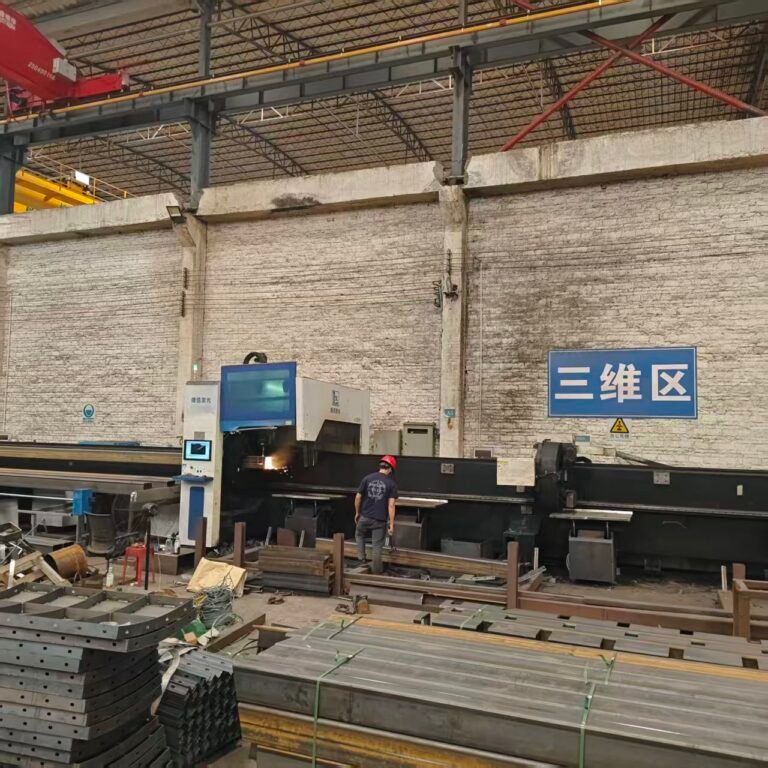
Once the design and material are confirmed, the raw material is processed according to the drawing.Laser cutting is commonly used for sheet and plate components because it can produce accurate and consistent shapes. Tube and profile cutting can also be used when components require holes, slots, angled cuts or other complex geometries.The appropriate cutting method depends on the material, thickness, component shape and production quantity.
4. Bending and Forming
After cutting, some components require bending or forming to achieve the final shape.CNC bending equipment can be used to produce consistent angles and dimensions across multiple components. Accurate bending is particularly important for parts that need to be assembled with other components on site.
5. Punching and Hole Processing
Many metal components require holes, slots or other openings for installation and connection.Depending on the design and production requirements, these features can be produced through laser cutting, punching, drilling or other machining methods.The location and dimensions of holes should be controlled carefully because even small deviations can affect final assembly.
6. Welding and Assembly
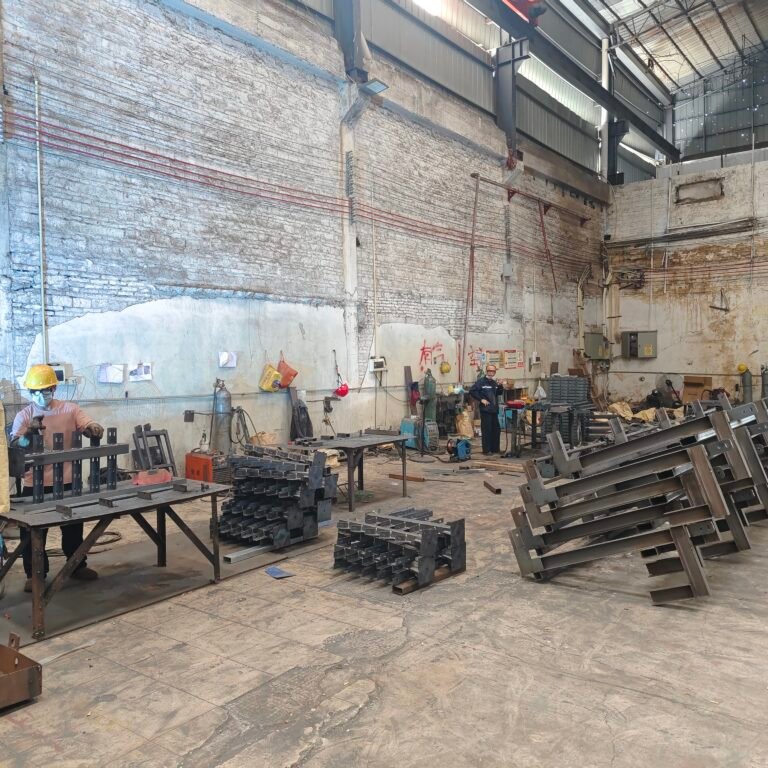
For components consisting of multiple metal parts, welding may be required after cutting and forming.Welding allows separate pieces to be joined into complete assemblies such as brackets, frames, supports and other fabricated components.The welding method and sequence should be selected according to the material, thickness and structural requirements.
7. Inspection and Quality Control
Before shipment, finished components should be inspected according to the agreed specifications.
Typical inspection items include:
* Overall dimensions
* Hole position and diameter
* Bending angles
* Welding quality
* Surface condition
* Material specifications
* Quantity
For custom components, inspection against the original engineering drawing is particularly important.
8. Packaging and Delivery
After inspection, components are prepared for shipment.Packaging requirements vary depending on the size, weight, shape and destination of the products. Proper packaging helps reduce the risk of deformation, scratches and other damage during transportation.For overseas orders, delivery arrangements should be discussed before production so that packaging and shipping requirements can be considered in advance.
Conclusion:
A reliable custom metal fabrication process involves much more than simply cutting and welding metal. Engineering review, material selection, precision processing, welding, inspection and delivery all contribute to the final quality of the components.For buyers sourcing custom metal components from China, working with a manufacturer that can handle multiple fabrication processes in-house can simplify communication and help maintain better control over production.